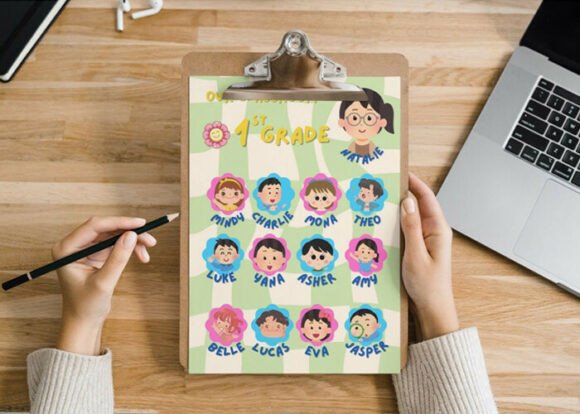
Classroom Membership Templates: A First-Grade Name Game
More Than Just a Name Tag: Building Community One Template at a Time
Walking into a first-grade classroom for the first time is a sensory experience. The bright colors, the tiny chairs, the palpable energy of new beginnings. But for a six-year-old, the most important thing in that room isn't the crayons or the cubbies—it's the people. Recognizing a classmate's name, remembering a face, feeling like you belong to a group. This is the foundational work of early education, and it's where thoughtfully designed Classroom Membership Templates become an invaluable tool for educators and a delight for students.
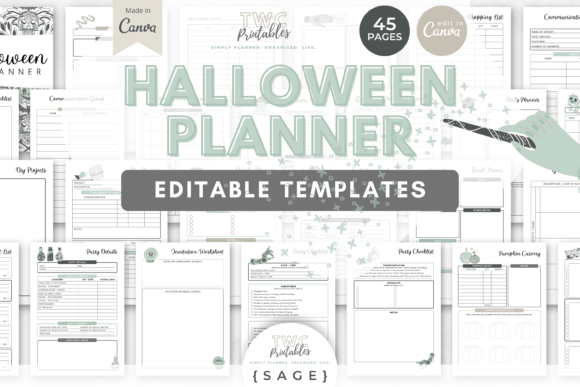
These aren't your average, static name plates. We're talking about a dynamic set of PDF template files specifically crafted for the unique social and literacy needs of first graders. The core concept is beautifully simple: create personalized membership cards or badges for each student. But the real magic lies in the features designed to foster interaction. Imagine a template where a student's name is prominently displayed in a clear, friendly typeface—perfect for emerging readers to practice letter recognition. Now, add a dedicated space for a photo, transforming the card from text into a recognizable portrait. The final layer is where true classroom engagement happens: editable fields for characteristics, favorite things, or group assignments.
The Anatomy of an Engaging Classroom Template
So, what makes a template set truly effective for this age group? It's a blend of visual design, practical functionality, and an understanding of child development. Let's break down the features that make these Classroom Membership Templates stand out.
First and foremost is the visual personality. The designs are intentionally approachable, using a mix of playful sans serif fonts for primary readability and charming handwritten fonts or script fonts for decorative elements. This isn't about minimalist modernism; it's about creating a warm, inviting aesthetic that feels safe and exciting for young children. The color palettes are vibrant but balanced, avoiding visual clutter. The layout prioritizes clear visual hierarchy, ensuring the student's name and photo are the immediate focus, supported by supplementary information that encourages curiosity about their peers.
The practical design is where the Canva integration shines. Being fully editable in a free, user-friendly platform like Canva is a game-changer for busy teachers. It means no special software is needed. A teacher can quickly input each child's name, insert individual photos taken on the first day, and even add custom elements like icons for reading groups or math table teams. This flexibility turns a static PDF into a living document. You can create a set for the beginning of the year and update them mid-year as interests change or new group activities are introduced. The ability to edit text and insert photos directly makes personalization a quick classroom task rather than a weekend project.
From First Day Introductions to Year-Long Learning Tools
The applications for these templates extend far beyond the first-day "get to know you" activity. They become a versatile asset in your classroom design toolkit. Here’s how to leverage them throughout the year:
- Literacy Practice: Place the completed membership cards on a classroom word wall or a "Our Class Family" bulletin board. Students can practice reading their classmates' names during circle time, reinforcing sight words in a meaningful context. The consistent design helps them recognize the shape and structure of names, a key pre-reading skill.
- Observation and Sharing: Use the editable text fields for "All About Me" facts. A student might list their favorite animal, a hobby, or what they want to be when they grow up. This provides instant, low-pressure conversation starters and helps children find common ground. It’s a structured way to practice observation and verbal sharing.
- Group Activity Organization: This is where the templates become a true management tool. Assign colors, numbers, or animal icons to create reading groups, science lab teams, or cleanup crews. By embedding these identifiers directly onto the membership card, you create a visual reference for students. Transitioning to group work becomes seamless—"Okay, all the blue team cards, gather at the round table!" It reduces confusion and fosters a sense of team identity.
- Social-Emotional Learning: The act of creating and receiving a personalized card is an exercise in recognition and belonging. It subtly communicates, "You are a valued member of this group." This simple gesture can significantly ease first-day jitters and lay the groundwork for a positive classroom culture.
Choosing and Implementing Your Templates: A Practical Guide
When selecting a Classroom Membership Template set, think like a designer evaluating design assets. Consider the following:
- Visual Appeal & Age Appropriateness: Does the style resonate with 5-7 year olds? Look for a balance of fun and clarity. Avoid overly complex graphics that might distract from the core content of the name and photo. The best designs use visual elements to support, not overshadow, the student's identity.
- Editability in Canva: Test the template. Is the text easily editable? Can you change font colors and sizes if needed? The promise of easy editing is only valuable if the Canva interface is straightforward. A good template will have clearly labeled text boxes and image placeholders.
- Print and Display Considerations: Think about the final output. Will you print them as standard cards, or as larger posters? The template should be designed to print cleanly at common sizes (like 5x7 or 8.5x11). If you plan to laminate them for durability, ensure the design allows for that without losing readability.
- Licensing for Classroom Use: As with any commercial font or design resource, check the license. Most template creators offer a license that permits use within a single classroom, which is perfect for educators. This ensures you're using the asset ethically and legally.
In the end, Classroom Membership Templates are a powerful example of how thoughtful design solves real-world problems. They bridge the gap between administrative necessity (knowing your students) and pedagogical best practice (building community and literacy). By providing a structured yet flexible framework for personalization, they empower teachers to create a welcoming environment where every first grader feels seen, known, and ready to learn from day one. It’s not just about a name on a card; it’s about crafting the very first chapter of a student's school story.