Human Rights Day PSD Templates: Designing for Impact
Every year on December 10th, the world pauses to recognize a fundamental truth: human rights are universal and inalienable. For designers, marketers, and advocates, this day presents a powerful opportunity—not just to observe, but to actively amplify the message of equality, justice, and dignity. The challenge, however, often lies in translating that profound message into compelling visual content quickly and effectively. This is where a strategic approach to design assets becomes invaluable, moving beyond generic imagery to create something truly resonant.
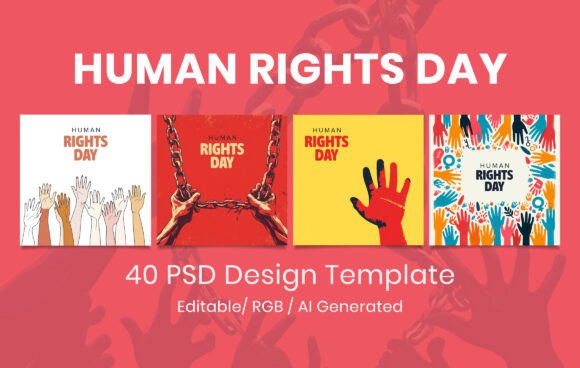
Imagine having a collection of professionally crafted, ready-to-use design foundations at your fingertips. That’s the core value of a dedicated Human Rights Day PSD Template Bundle. These aren’t just a few clipart images; they are fully structured design frameworks built for real-world application. Think of them as your creative launchpad. The visual personality of these templates is intentionally powerful and universal. They often employ a balanced mix of strong, modern sans-serif typefaces for clarity and authority, paired with elegant serif fonts for moments of reflection in body copy or quotes. The color palettes are carefully considered—deep blues and teals for trust and stability, vibrant oranges and yellows for hope and energy, and stark contrasts to symbolize the fight against injustice. Symbols like the dove, the broken chain, the diverse group of people, and the scales of justice are rendered in a contemporary, often minimalist style, avoiding cliché to feel fresh and urgent. The overall appeal is one of professional gravitas paired with accessible warmth, making the cause feel both serious and inviting to support.
Where These Design Assets Truly Shine
The real-world applications for these customizable banners and social media graphics are vast, spanning from digital campaigns to physical events. For the nonprofit sector, they are a game-changer. A small NGO with a limited marketing budget can use these templates to create a cohesive social media campaign in a matter of hours, not days. The included high-resolution JPEG files (300 DPI) are perfect for printing event posters, rally signs, or educational handouts for a community workshop, ensuring the message looks sharp and professional in any format.
For entrepreneurs and small business owners, especially those with a brand identity rooted in social responsibility, these templates offer a way to authentically engage with the day. A café owner could design a special menu insert or a window poster. A sustainable fashion brand could create a series of Instagram Stories highlighting their ethical supply chain, using the templates’ graphics to frame their narrative. The key is that the templates provide the professional visual hierarchy and brand consistency that a solo creator might struggle to achieve from scratch. The pre-set layouts guide the viewer’s eye effectively, ensuring the call-to-action—whether it’s “Learn More,” “Donate,” or “Join Us”—is impossible to miss.
Content creators and bloggers find immense value here as well. A YouTube educator discussing current events can use the included PSD files to create custom thumbnails and channel art that signal the content’s importance. A podcast host can generate audiogram graphics for promotional clips. The ability to fully edit the text, imagery, and color schemes means the final product integrates seamlessly with their existing channel branding, maintaining professionalism while participating in a global conversation.
Making the Message Resonate: A Practical Guide
Simply having the template is the first step. Using it effectively requires a few strategic considerations. First, think about your specific audience. Are you speaking to seasoned activists, or are you trying to engage a younger, social-media-native crowd? The template bundle likely offers a range of styles. A design with stark, bold typography and high-contrast colors might work best for an urgent call-to-action on Twitter (X), while a template featuring softer imagery and a more reflective quote might be better suited for a LinkedIn article or an email newsletter header.
Next, consider font pairing and readability. While the templates come with suggested typefaces, you have the freedom to customize. A common and effective approach is to maintain the pairing of a strong, legible sans-serif font for headlines and a clean, readable serif font for body text. This creates a clear visual hierarchy that enhances comprehension. Always test your customized text at various sizes, especially for mobile viewing. What looks perfect on a desktop banner might become illegible as a small social media icon.
Finally, think about integration and consistency. If you’re running a multi-day campaign, use the templates as a starting point to create a series. Adjust the color accent or swap out a central image for each post, but keep the core layout and typography consistent. This builds recognition and reinforces your message over time. The true power of these design assets lies in their flexibility. They are not rigid final products but rather professional-grade starting points that save you time while elevating the quality and impact of your advocacy. By customizing them thoughtfully, you move from simply acknowledging Human Rights Day to actively shaping the visual conversation around it, creating content that is not only seen but felt and remembered.